
Aged, Pressed White Tea | Shou Mei
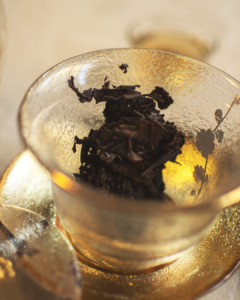 Shou Mei white tea (Chinese: 寿眉, literally meaning “long-lived eyebrow”) is one of the most misunderstood types of tea in the world of tea. Many tea drinkers often mistake Shou Mei white tea for a low-quality tea, when in fact it possesses unique characteristics that make it particularly interesting, especially as it ages.
The harvesting protocol for Shou Mei white tea consists of one bud and three or four leaves. This Shou Mei white tea is harvested in late spring, after Bai Mu Dan, although there are also harvests in early summer and a major harvest in the fall.
In addition, there is a winter variety of Shou Mei white tea known as Han Lu, which features darker green leaves and a fresher, more floral aroma.
Shou Mei white tea is available both as loose-leaf tea and in compressed form. Compressed Shou Mei tea is particularly prized for its ability to age over time, becoming an excellent example of an aged tea.
The leaves of Shou Mei white tea have a thicker, shinier layer of waxy cuticle. Beneath this layer, Shou Mei develops a higher concentration of aromatic essences. With its firm stems and broad leaves, this pressed tea accumulates more sugars and pectic substances, which help it transform over the years into a complex and deep-flavored aged tea.
Shou Mei white tea is produced in larger quantities because it is easier to harvest, making it more accessible. However, when this pressed tea is stored properly, it can evolve over time and become a highly valuable aged tea.
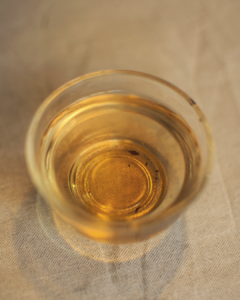
In China, there is a traditional proverb about aged tea that reflects this transformation:
“Tea for one year, medicine for three years, and a treasure for seven years.”.
This saying perfectly captures the potential of Shou Mei white tea, especially when it is presented as a compressed tea and allowed to age into a true aged tea.
Ryan Hollibaugh
Co-founder and Academic Director
Pei Chen Tea Palace
