
Yellow Tea: An Introduction
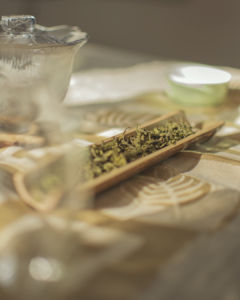
Yellow tea is one of the rarest and most prized varieties in the world of tea. This type of yellow tea is known for its complexity and its unique production process. Originally from China, yellow tea gets its name from the golden hue it takes on during fermentation, a crucial step that sets it apart from other teas, such as green and white tea.
The production of yellow tea is limited and requires extreme care, making it one of the most exclusive and expensive options among traditional tea varieties.
Throughout history, yellow tea has been considered a delicacy reserved for the elite, due to its delicate umami flavor and rich aromatic profile. The flavor profile of yellow tea can range from vegetal and floral notes to hints of nuts and toasted corn.
The production process for yellow tea, which includes a high-temperature enzymatic inactivation step in a wok, is the secret behind its deep, mellow flavor.
Technical and Cultural Facts About Yellow Tea
Unlike other varieties, there are only a handful of types of yellow tea produced in China, with some attempts to produce this type of yellow tea in countries such as Japan, India, Peru, and Argentina.
Despite what many books say, yellow tea does not undergo enzymatic oxidation; instead, it undergoes enzymatic inactivation in a wok at high temperatures.
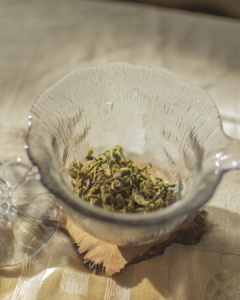
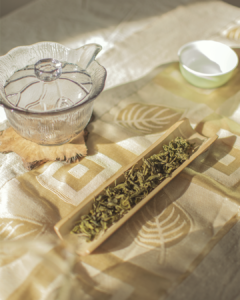
Yellow tea leaves should always be yellowish-green—not brown, golden, or dark gray, but predominantly green.
The distinctive umami flavor of yellow tea comes from amino acids that develop during the repeated fermentation that this type of tea undergoes.
Yellow tea can contain up to three times as many amino acids as green tea from the same region and harvest season.
The range of aromas in yellow tea includes legumes (beans/peas), nuts (chestnuts/pistachios/almonds), corn (corn on the cob/roasted corn/popcorn), as well as cooked vegetables and even some baked tubers.
Yellow tea always comes from green tea-producing regions, but because it takes many hours—or even days—to ferment and turn yellow, it is usually considerably more expensive.
Many of the yellow teas sold in tea shops are not authentic yellow tea, but rather aged green teas, since true yellow tea is generally made to order.
 Famous Yellow Teas
🍃 Jun Shan Yin Zhen ‘Silver Needles of Jun Island’
🍃 Huo Shan Huang Ya ‘Yellowish Bud from Mount Huo’
🍃 Meng Ding Huang Ya ‘Yellowish Bud of Meng Ding’
🍃 Mo Gan Huang Ya ‘Mo Gan Yellow Shoot’
🍃 Huang Shan Mao Feng (green and yellow) ‘Fuzzy Summit of Mt. Huang’
🍃 Da Ye Qing ‘Large Dark Green Leaf’
🍃 Huang Da Cha ‘Rough/Large Yellow Tea’
In this fascinating world, yellow tea is not only a treat for the palate but also a subject of study for those seeking to delve deeper into tea culture. Understanding yellow tea involves exploring its history, its origins, and the techniques that make this tea a true gem.
How many did you know?
See you in the next issue.
Ryan Hollibaugh
Co-founder and Academic Director
Pei Chen Tea Palace
